Dead Tree Removal in Reno, NV
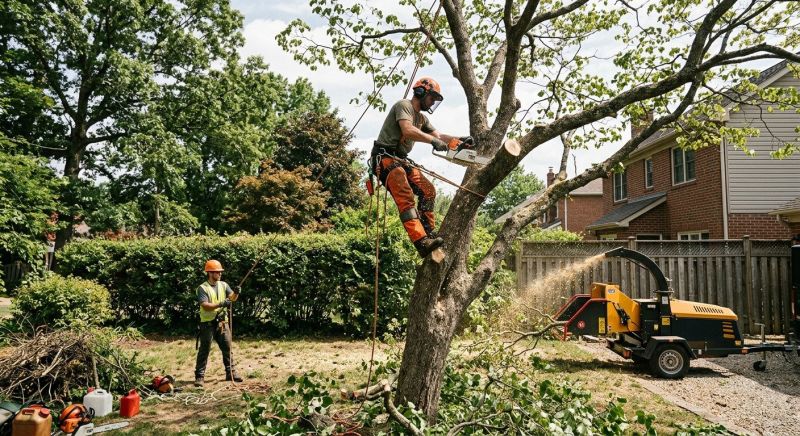
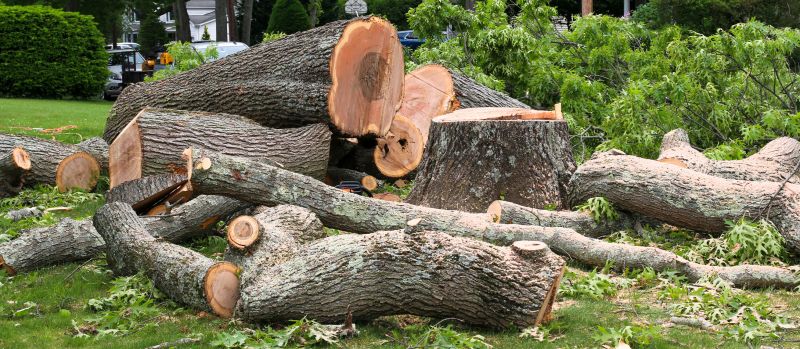
Dead tree removal services involve safely and effectively removing trees that are dead, decaying, or pose a risk to property and safety. This type of project typically includes assessing the condition of the tree, planning the safest method of removal, and then carefully cutting and removing the tree and its debris. Property owners often request this service when a dead or dying tree threatens structures, power lines, or public safety, or when an aesthetic improvement is desired for the landscape.
Before requesting dead tree removal, property owners should consider the size and location of the tree, as well as any nearby structures, utilities, or other landscape features. Understanding the extent of the work needed and any potential challenges, such as access restrictions or the presence of multiple trees, can help ensure a smooth process. Proper planning also involves knowing whether permits are required or if there are any local regulations related to tree removal in the area.
Many property owners in Reno, NV look into Dead Tree Removal for repairs, replacements, upgrades, and appearance-related improvements.
Reasons To Remove Dead Trees
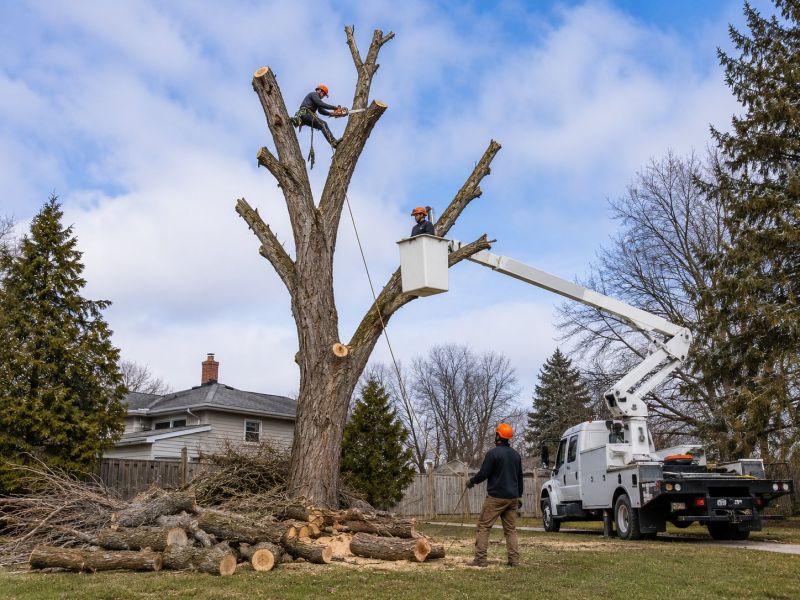
Removing dead trees helps prevent potential damage to property and enhances landscape safety.
Signs Of Tree Health Issues
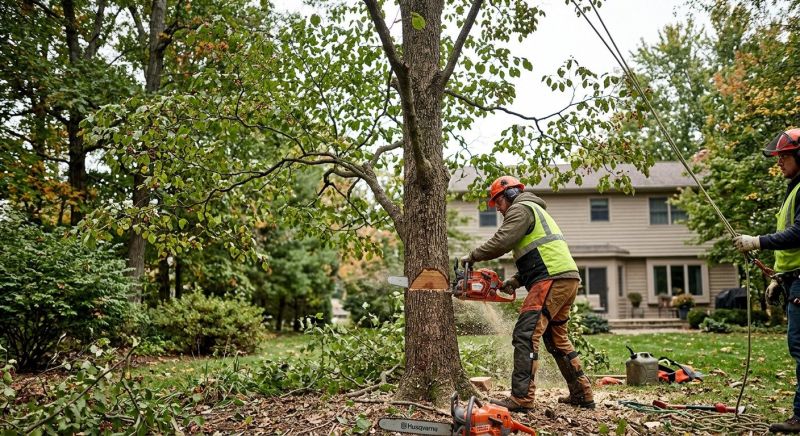
Foliage thinning, cracks, and dead branches can indicate a tree is in decline and may need removal.
Safety Considerations
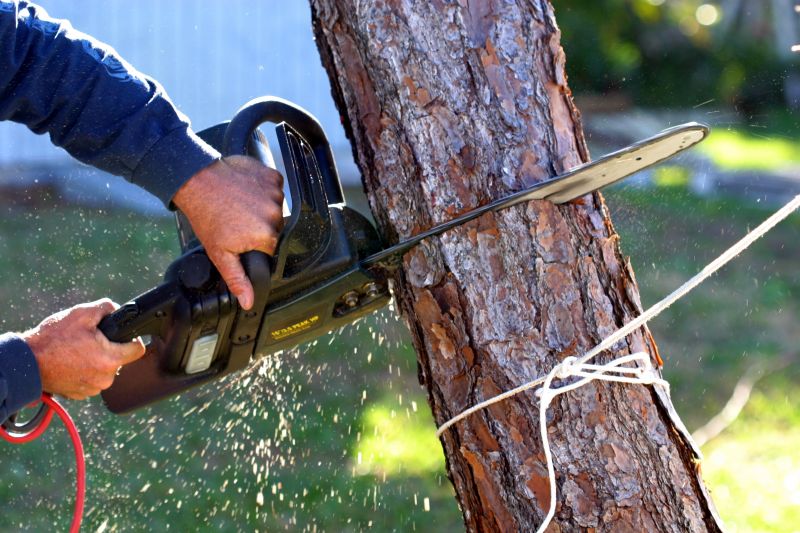
Removing hazardous dead trees reduces the risk of falling branches or complete toppling during storms.
Dead Tree Removal in Reno, NV
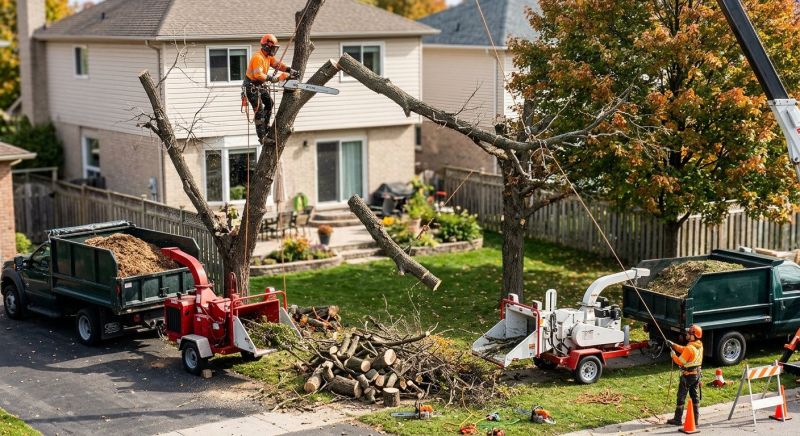
Dead tree removal services involve safely and effectively removing trees that are dead, decaying, or pose a risk to property and safety. This type of project typically includes assessing the condition of the tree, planning the safest method of removal, and then carefully cutting and removing the tree and its debris. Property owners often request this service when a dead or dying tree threatens structures, power lines, or public safety, or when an aesthetic improvement is desired for the landscape.
Before requesting dead tree removal, property owners should consider the size and location of the tree, as well as any nearby structures, utilities, or other landscape features. Understanding the extent of the work needed and any potential challenges, such as access restrictions or the presence of multiple trees, can help ensure a smooth process. Proper planning also involves knowing whether permits are required or if there are any local regulations related to tree removal in the area.
Many property owners in Reno, NV look into Dead Tree Removal for repairs, replacements, upgrades, and appearance-related improvements.
Common Dead Tree Removal Jobs
Dead Tree Removal - Safely removing hazardous or decayed trees to protect property.
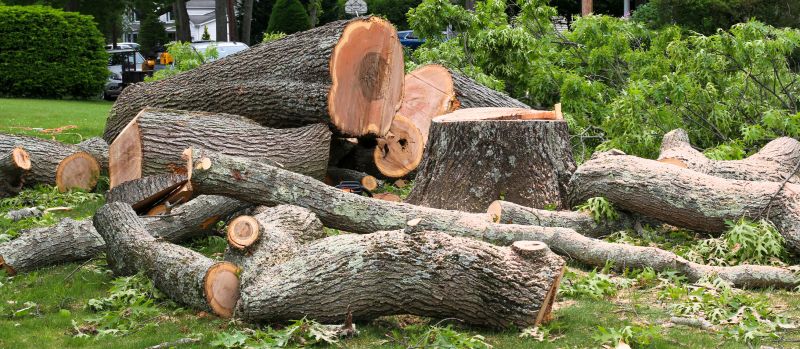
Stump Grinding - Eliminating remaining tree stumps to improve landscape safety and appearance.
Emergency Tree Removal - Quickly addressing fallen or unstable trees after storms or accidents.
Selective Tree Removal - Removing specific dead or problematic trees without affecting surrounding landscape.
Landscape Clearing - Clearing dead trees to prepare for new planting or construction projects.
Tree Health Assessment - Identifying trees that pose risks due to decay or disease requiring removal.
Dead Tree Removal Questions
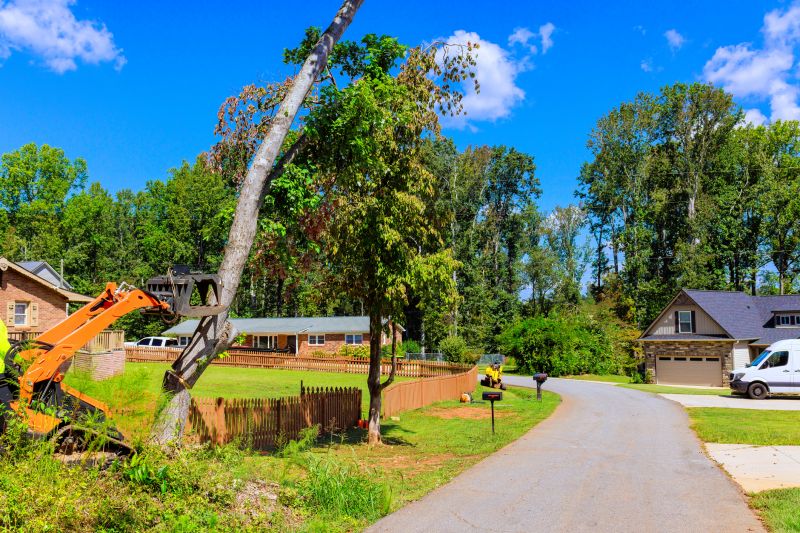
What is dead tree removal? Dead tree removal involves safely taking down trees that are no longer living or pose a risk to property or safety.
Why should dead trees be removed? Removing dead trees helps prevent potential hazards like falling branches or complete toppling, protecting property and people.
What types of trees are typically removed? Any tree showing signs of decay, disease, or significant damage can be considered for removal.
Is dead tree removal necessary before planting new trees? Yes, removing dead or decaying trees creates space and reduces risks for new plantings to thrive.
Request Dead Tree Removal in Reno, NV
Use the quote form on this page to share the basics of your project and request more information for the type of work you need.